
We Want the Best for You!
Buying Tips for best experience

Latest News
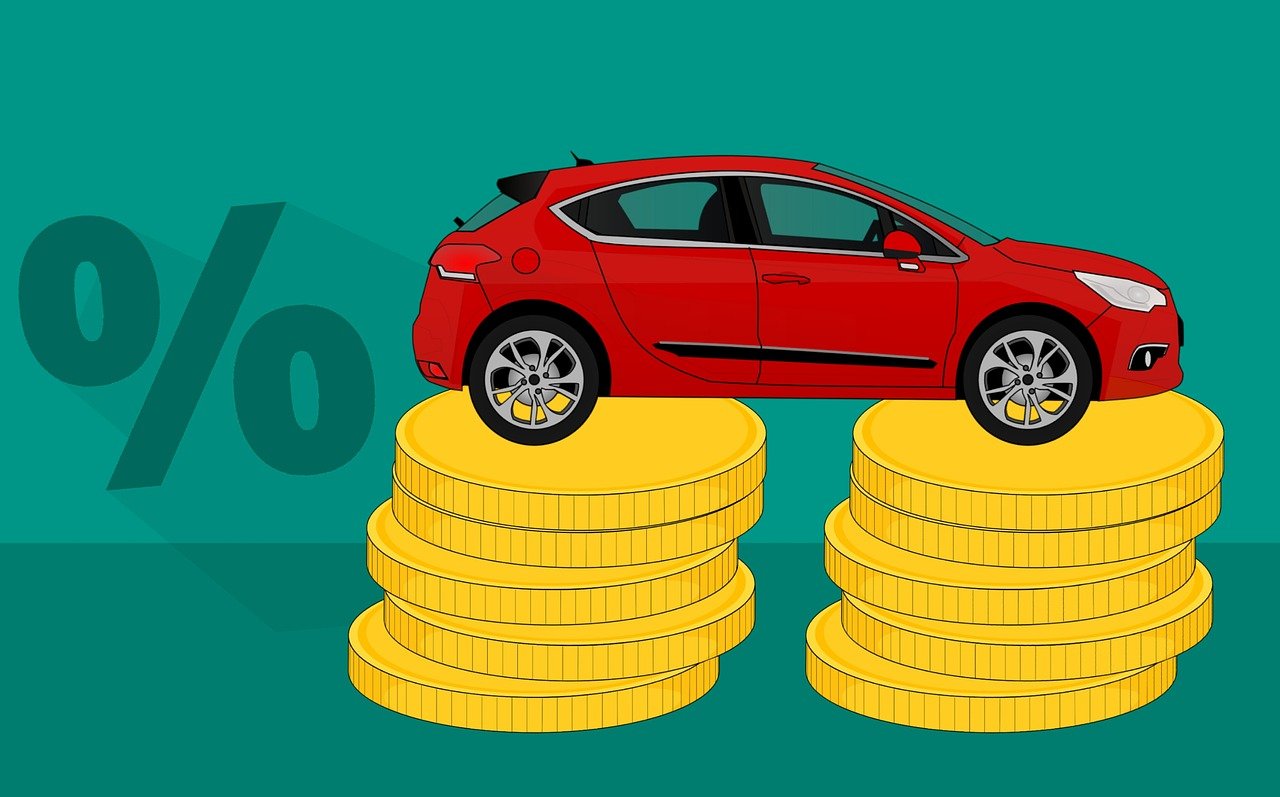
How to avoid predatory car loans
Credit unions and banks both make car loans, but they play the game very differently, especially for someone rebuilding credit. When credit is rough, choosing the right lender can mean the difference between a predatory $900 payment and a fair, doable plan that actually improves a score over time.
Bank vs credit union basics
Banks like are for‑profit corporations that answer to shareholders and focus on maximizing profit from products like auto loans, credit cards, and checking accounts. Credit unions are member‑owned nonprofits that return surplus earnings to members through lower loan rates, lower fees, and better terms, which is why they’re often friendlier to people rebuilding credit.
Because banks are profit driven, subprime borrowers are more likely to get higher interest rates, add‑on products, and tougher approval standards that lock them into expensive loans. Credit unions frequently design “second‑chance” or credit‑builder auto programs with rate discounts for on‑time payments and more flexible underwriting, making them ideal for someone trying to fix past mistakes.
How auto loan rates differ
In general, banks price auto loans mainly off credit score and risk models, so a low score often automatically lands in very high APR territory, especially through “guaranteed approval” lots that partner with banks or finance companies. This is how people end up with payments like $900 per month on modest cars, because the rate is sky‑high and the term is bad.
Credit unions often start with lower base rates and then adjust for risk, so even with weaker credit the rate may still be significantly lower than what a subprime dealer lender offers. Many credit unions also offer rate reductions for setting up automatic payments, using direct deposit, or showing 6–12 months of on‑time history, which can shave real money off the payment over time.

How each affects credit rebuilding
Any installment loan—whether from a bank or credit union—can help rebuild credit if it’s reported to the bureaus and paid on time every month. The problem with predatory, super‑expensive loans is that the payment is so high it increases the chance of late or missed payments, which damages credit instead of helping it.
Credit unions often pair loans with coaching and credit‑builder advice, helping members understand utilization, payment history, and how to design a plan that steadily raises scores. Banks can also help credit, but they rarely provide the same level of personalized “rebuild” guidance and may not have dedicated credit‑builder products tied to auto finance.
Why “guaranteed approval” is dangerous
“Guaranteed approval” lots usually work with subprime lenders that specialize in very high APR loans and aggressively sell to people who feel they have no other choices. These lenders often use the car as collateral and structure the deal so that if the borrower defaults, the lender can repossess a vehicle that's worth more than the remaining loan balance, making the deal profitable even when borrowers fail.
The contracts can include big markups, junk fees, and long terms that keep people stuck, paying huge monthly amounts while barely touching principal early on. For someone with shaky cash flow, this is a trap: it drains income, increases stress, and raises the risk of late payments or repossession—all of which crush credit scores.
What your friend should do now
Your friend’s goal between now and her next car purchase is to become the kind of borrower that a good credit union or solid bank fights to lend to. That means reducing risk in her profile, showing consistency, and getting away from desperate, last‑minute “need a car today” situations that force her onto bad lots.
Below is a practical, expert‑level plan you can hand her—step by step.
Step 1: Stabilize the current car situation
Get the exact numbers on her current loan: balance, interest rate, term, and monthly payment, and confirm whether this is a simple‑interest auto loan or something more exotic.
Prioritize never being late: even if the payment is ugly, on‑time payments are the single biggest driver of rebuilding credit, and one 30‑day late can set her back badly.
Cut optional spending and increase income where possible (extra shifts, side gigs) with the sole purpose of staying current on this loan and building a small emergency fund.
Step 2: Get her banking set up strategically
Keep the Huntington account if it’s working, but she should also open a relationship with a strong local credit union and, if eligible, a military‑focused institution like USAA or similar.
Set up direct deposit, a basic savings account, and bill‑pay through that credit union so they see consistent income and responsible account use for at least 6–12 months.
Avoid overdrafts, returned payments, and negative balances, because those can scare underwriters even if her score starts to rise.

Step 3: Clean up her credit report
Pull free reports from all three bureaus and carefully check for errors, duplicates, or accounts that don’t belong to her, then dispute any legitimate errors.
Bring any small, past‑due accounts current, starting with the ones that are easiest to catch up, since clearing recent delinquencies can meaningfully help a score.
If there are collections, consider negotiating settlements in writing; she should ask that the creditor update reporting quickly once paid so momentum shows up on her reports.
Step 4: Build positive credit lines
If she doesn’t have open revolving credit, she should consider a secured credit card from a credit union with a small limit and use it for one or two predictable expenses per month (like gas), paying in full.
Keep utilization low—ideally under about 30% of available credit—so if she has a $500 limit, she keeps balances under roughly $150 and pays on time.
Do not open lots of new accounts; one or two well‑managed tradelines over 12–18 months will move her score farther than a flurry of new credit.
Step 5: Prepare for the next car the right way
Start saving specifically for a down payment, even if it’s slow; putting money down reduces how much she has to borrow and often qualifies her for better rates.
Six to twelve months before she plans to buy, she should talk to the credit union’s loan officer and ask, “What do I need to qualify for your good‑credit tier auto loan?” and follow their roadmap.
Ask about pre‑approval so she walks into a dealership next time with a check from the credit union in hand, instead of relying on the dealer to “find” financing.
Step 6: Execute a smart next purchase
Once pre‑approved, she should shop vehicles by “total cost within the approved amount” rather than “how much monthly payment the dealer can stretch out,” keeping the term as short as comfortably possible.
She should decline unnecessary add‑ons (extended warranties, GAP from the dealer, extras rolled into the loan) unless she has verified they’re worth it and affordable, since these often blow up the monthly payment.
Before signing anything, she should compare the dealer’s financing offer to her credit union approval; in many cases, the credit union will beat or match it, and if the dealer can’t, she uses the credit union.

Start Today. Drive Today.
Start Today. Drive Today. – Get approved fast and drive off in your dream car the same day!
Drive your dream car with confidence – Quality vehicles, unbeatable deals, and exceptional service!


Opening hours
Mon - Fri : 10AM - 6PM
Saturday: 9AM - 5PM
Sunday: CLOSED
Powered by
EBA - Education & Business Automation
© DFW Auto Finders. 2026. All Rights Reserved.